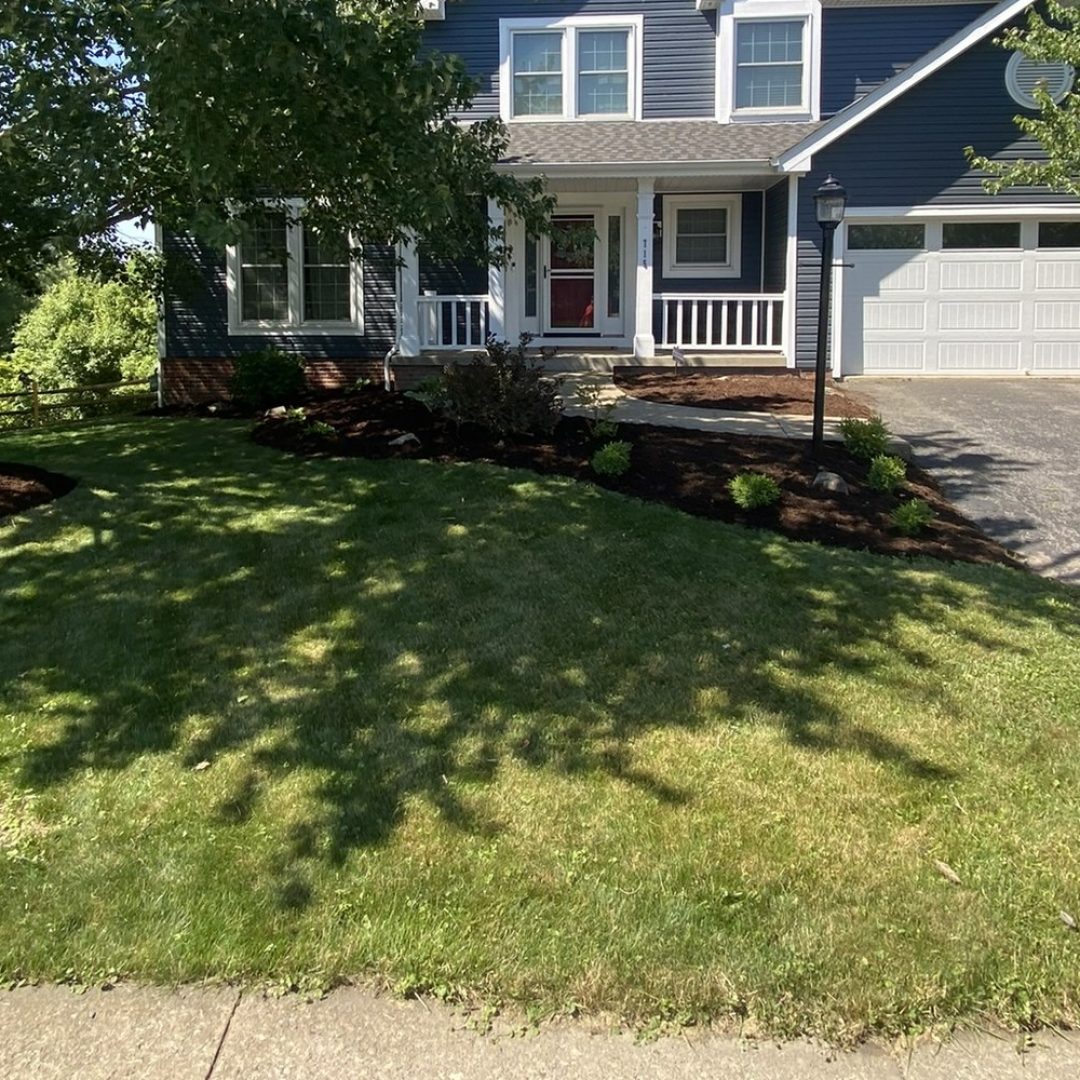
Daily Landscaping builds backyard pickleball courts across Greater Pittsburgh and Northwest Pennsylvania.
Here is the number you actually came for. In Pennsylvania a backyard court averages about $37,000, and typically lands between $23,000 and $58,000. Now here is the part almost nobody explains, and it is the part that decides which end of that range you land on.
Call (724) 605-4822 for a free quote.
Roughly two thirds of the cost is the foundation and the site work. The surface, the net and the lines are the cheap part and the last part.
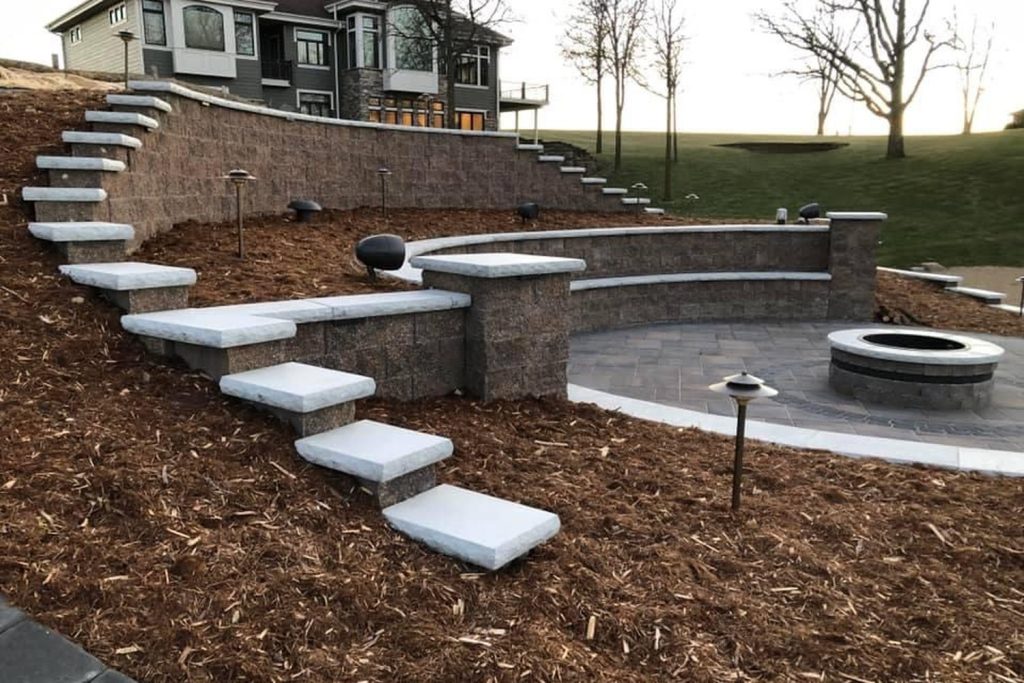
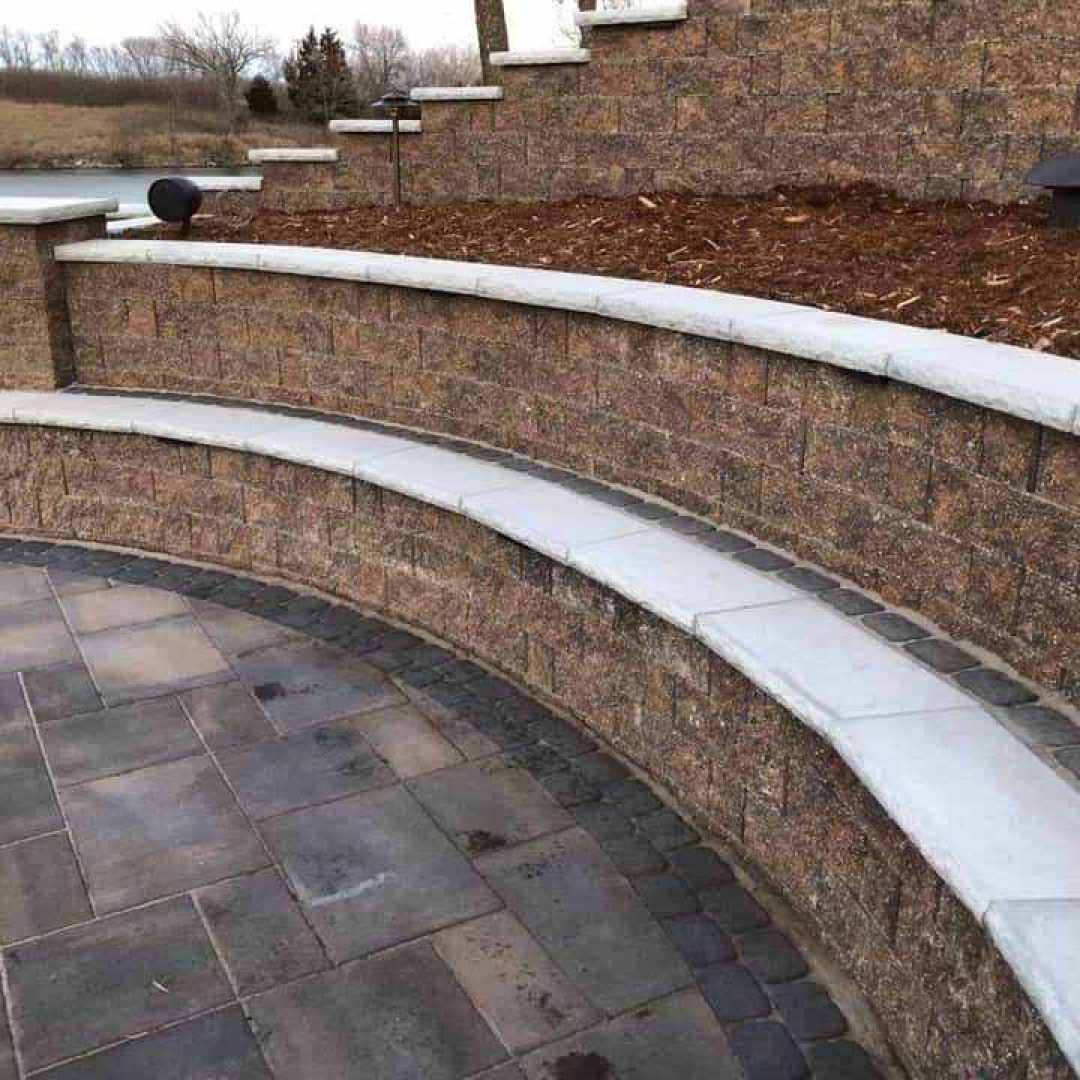
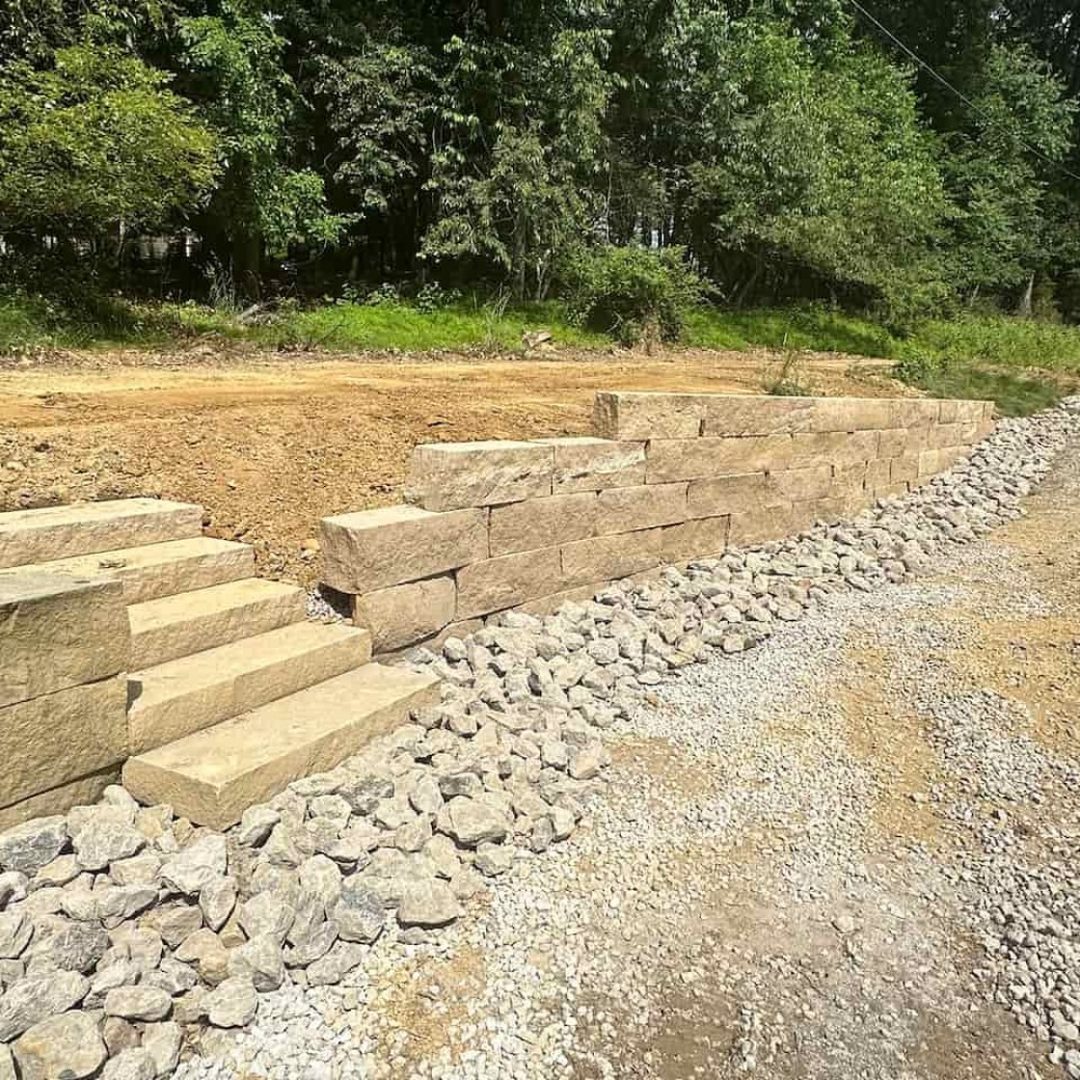
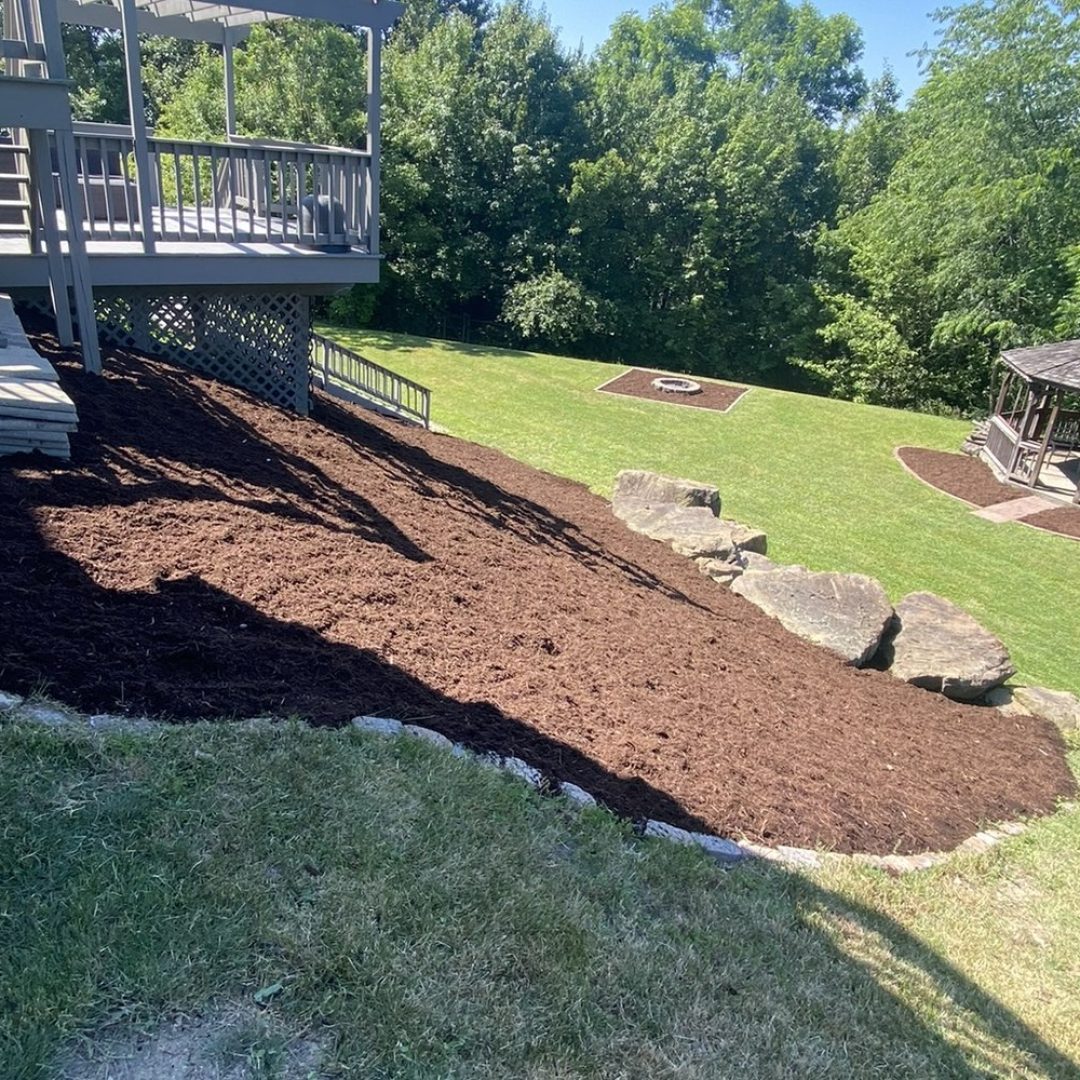
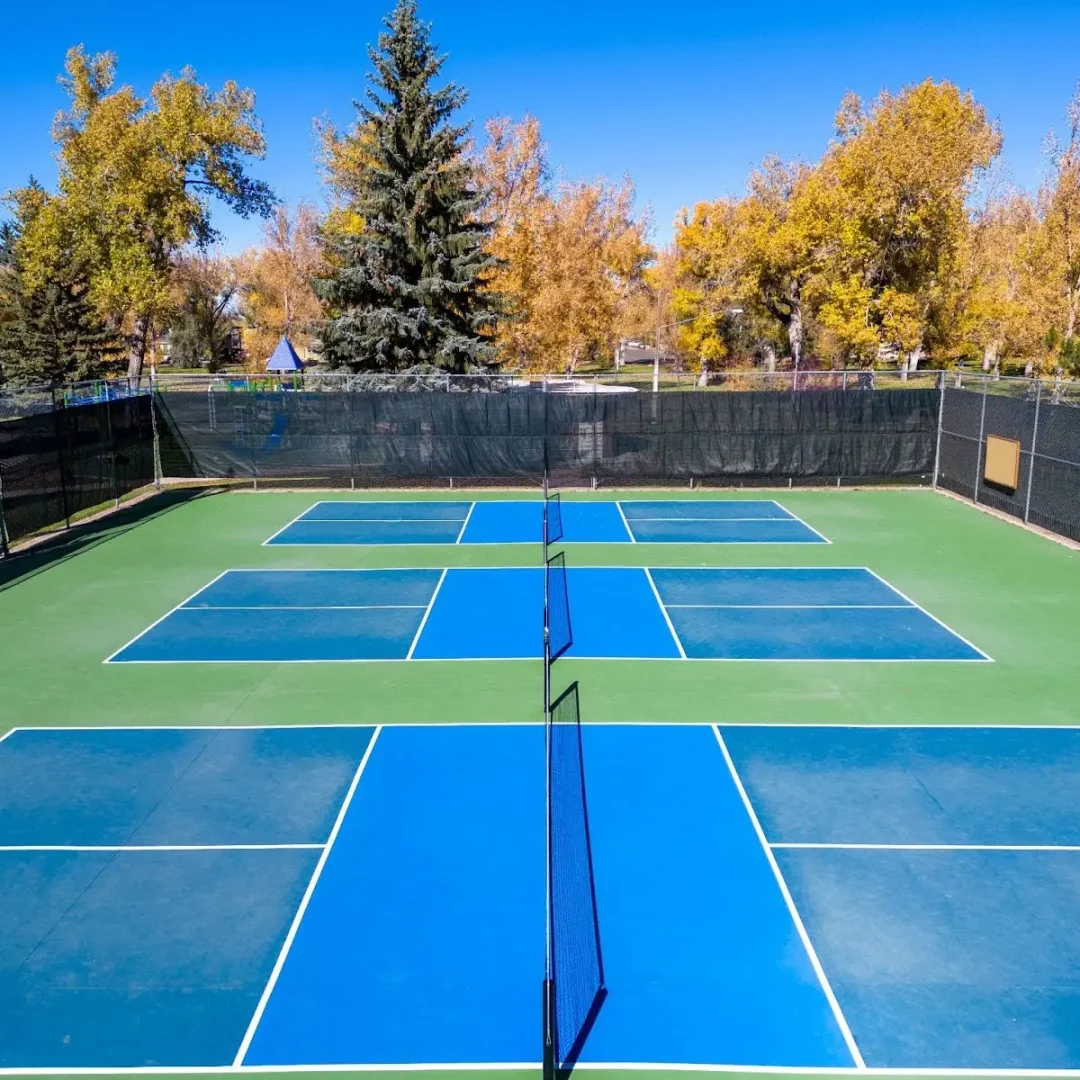
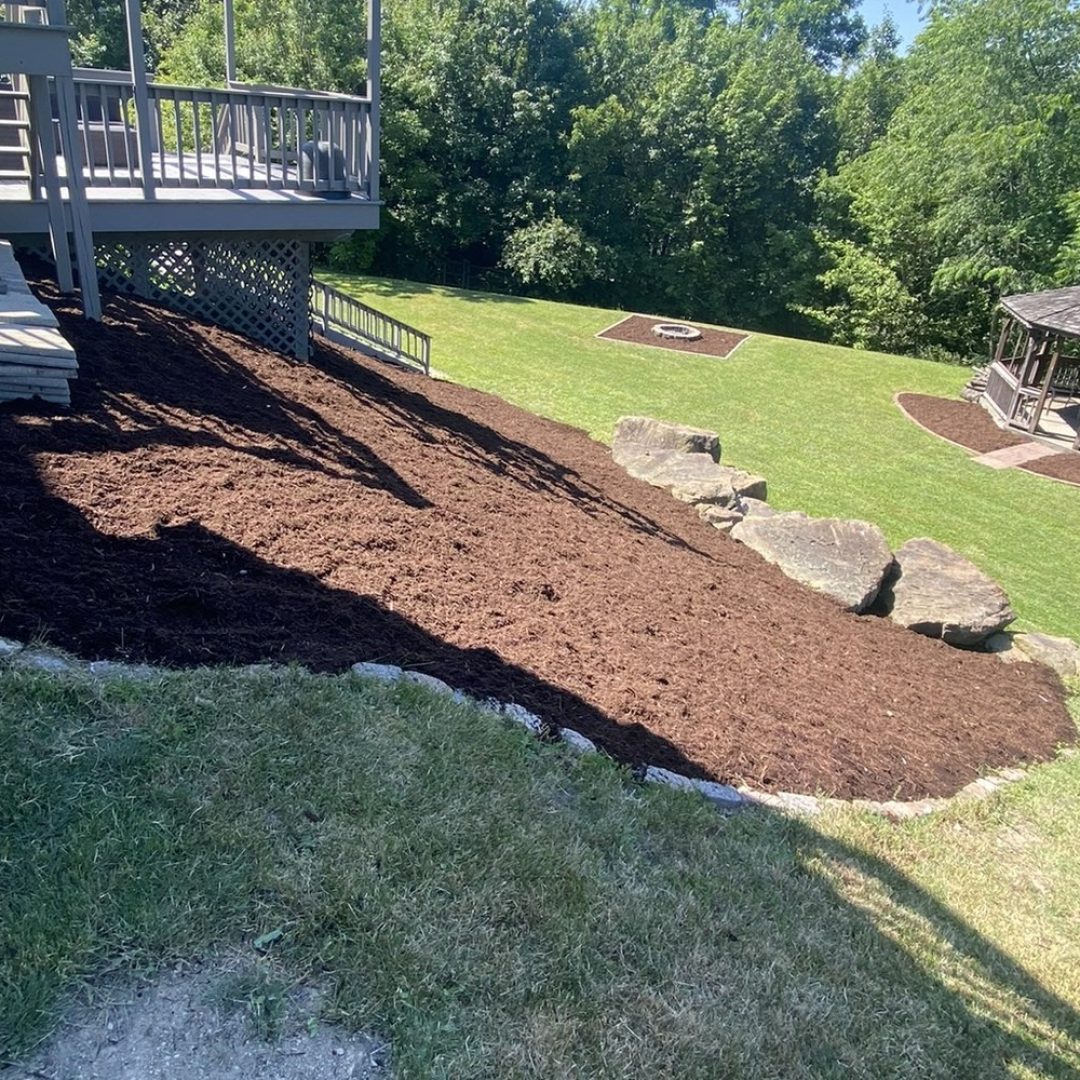
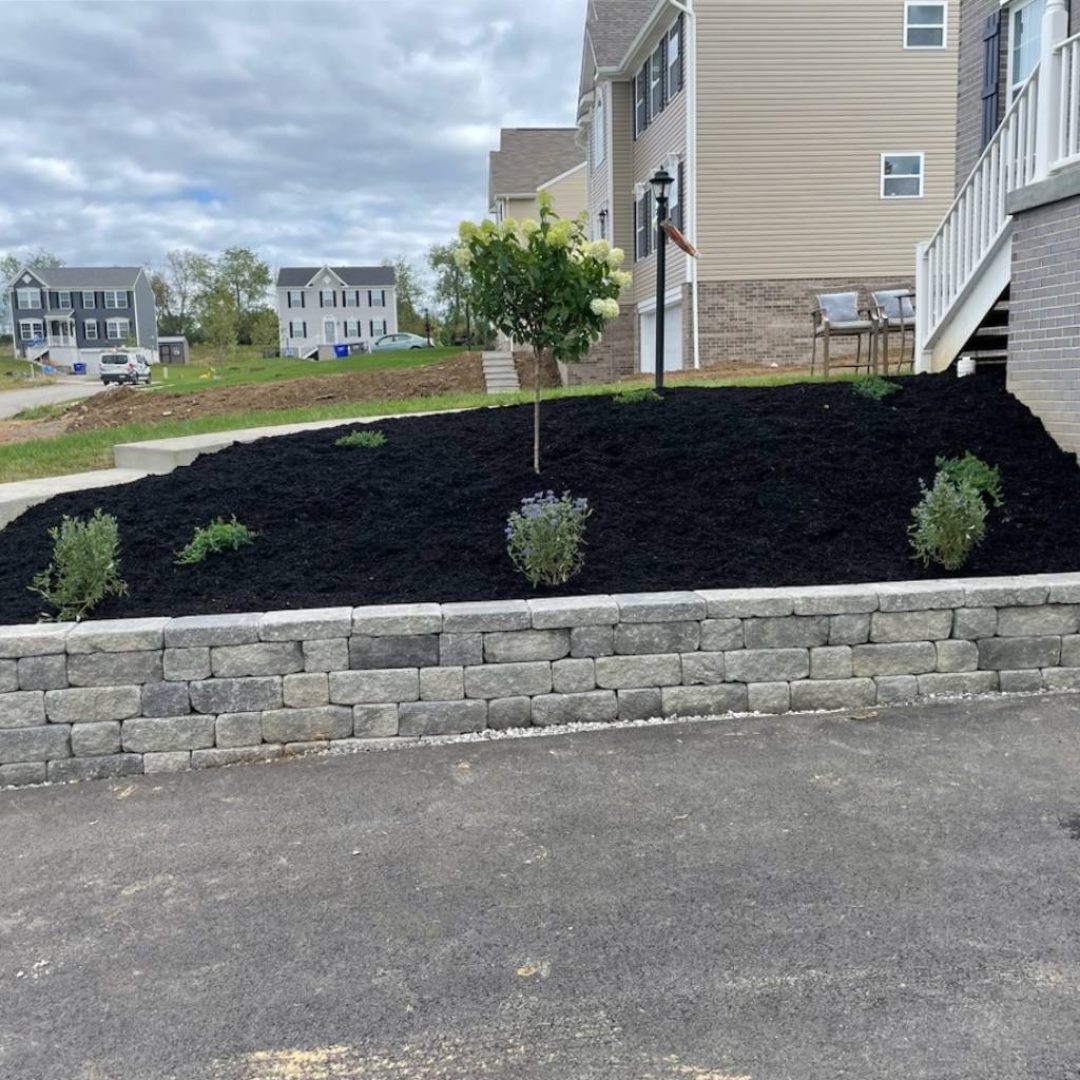
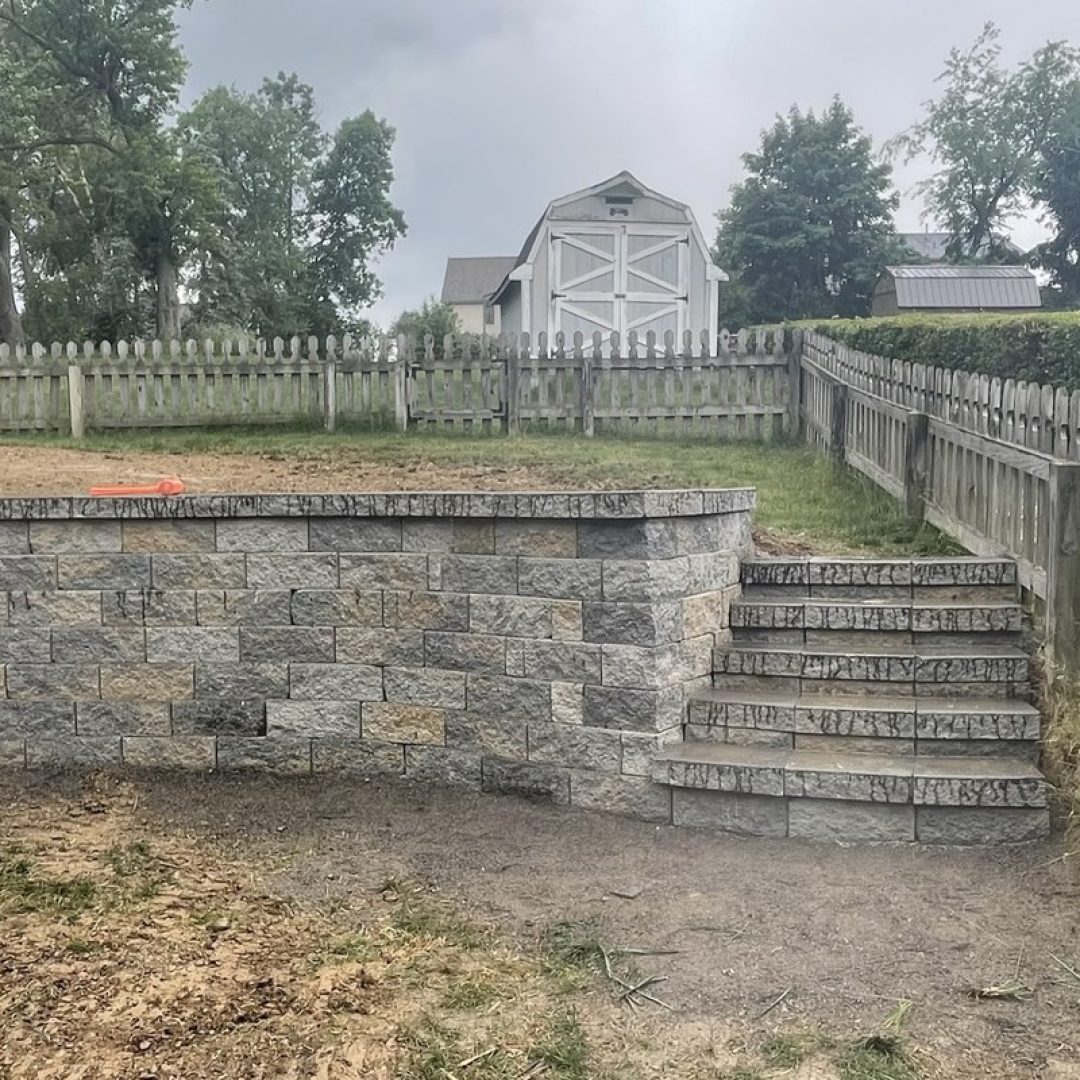
A regulation play area is 20 by 44 feet, but you want a pad of about 30 by 60 feet to actually play on. On a flat lot, building that pad is straightforward. On a Pittsburgh hillside it means excavation, fill, drainage, and very often a retaining wall to hold the pad up.
That is the entire explanation for why one neighbor paid $25,000 and another paid $55,000 for what looks like the same court. It was never the court. It was the hill.
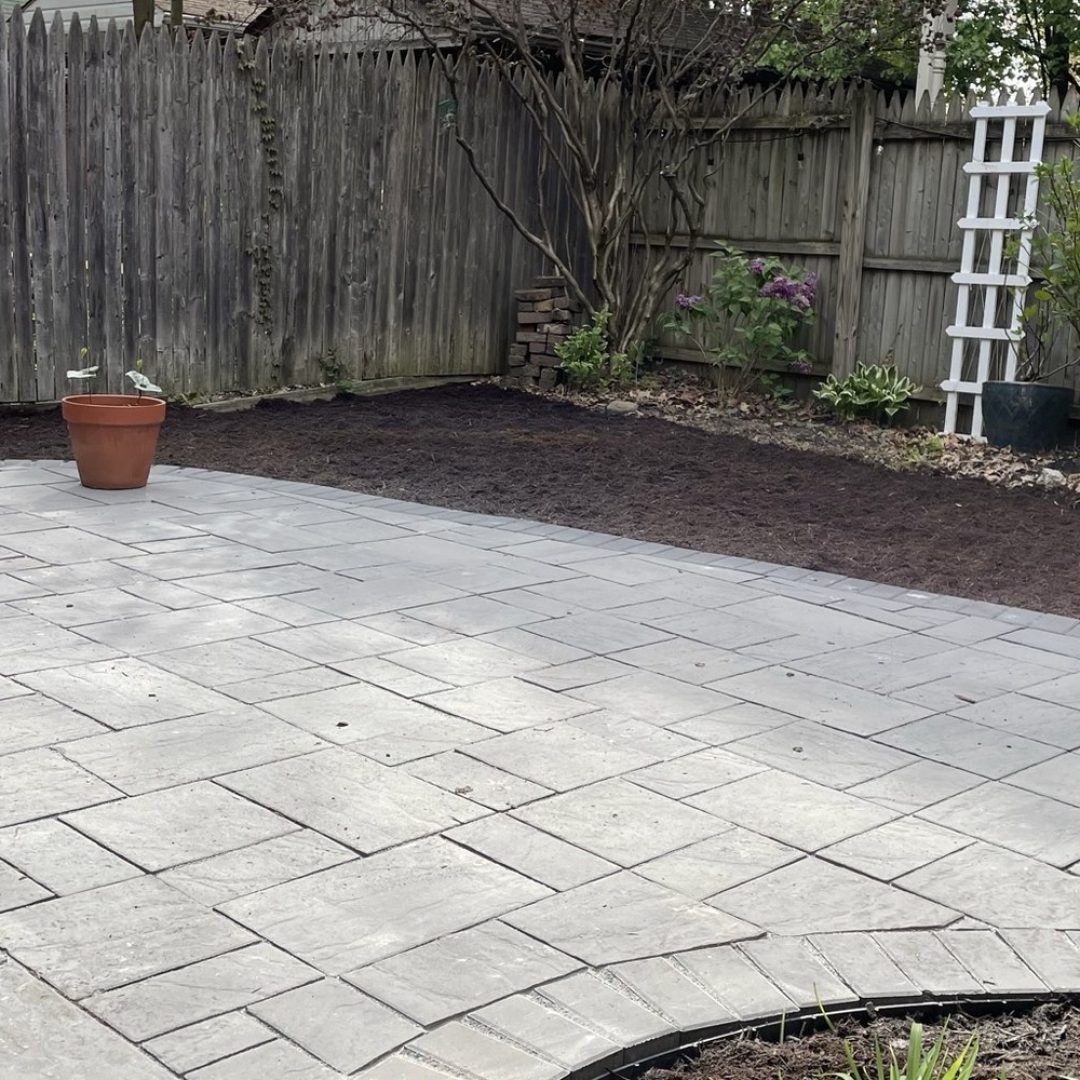
It is also why a hardscape contractor is the right call. The expensive, risky two thirds of a pickleball court is excavation, grading, drainage and retaining walls, which is the work we already do every day.
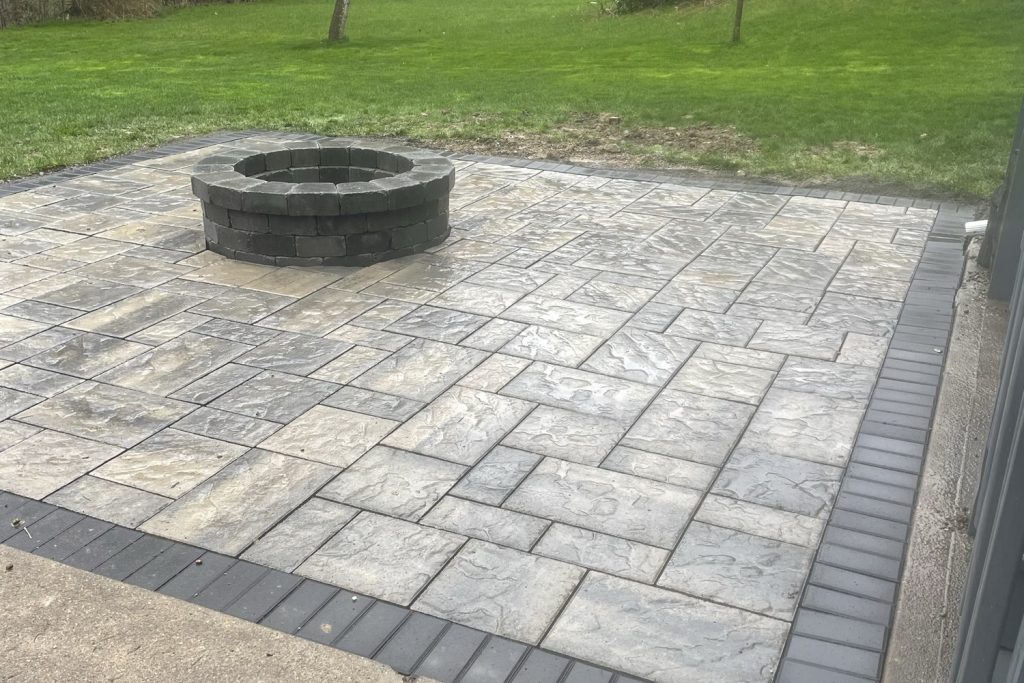
In Pennsylvania the standard build is an acrylic hard court over reinforced concrete, not asphalt. That is not upselling, it is the freeze and thaw.
Water gets under a slab, freezes, expands, and lifts it. On our heavy clay, which drains slowly, that happens fast. A court built on a base that was not drained properly will crack, and you do not repair a cracked court, you replace it.
So the subgrade drainage under the slab is not an optional line item on the estimate. It is the reason the court is still flat in ten years. A cheaper bid that leaves it out is not the same court.
Permits in Pennsylvania run roughly $200 to $1,500 depending on the municipality. We will tell you what your township requires before we start.
Up: a sloped lot needing excavation and a retaining wall to create the pad, reinforced concrete instead of asphalt, cushioned surfacing, fencing (a 30 by 60 court is a lot of linear feet of fence), lighting, and long equipment hauls to a back yard with poor access.
Down: a flat, accessible area. An existing slab or old tennis court that can be resurfaced. Skipping fencing and lights at first and adding them later.
If you already have a flat concrete pad in good condition, converting it is a fraction of a new build. We will tell you honestly if that is your situation rather than selling you a full excavation.
Realistically, outdoor play here is about six months of the year. That is worth knowing before you commit to a number like this, and we would rather say it up front than after you have signed.
Daily Landscaping has been going since 2014. Owner TJ Belsterling runs the crews himself, and if you deal with this company you deal with him. There is not a client we work with that TJ has not spoken to personally.
Every estimate goes out within 48 hours, and usually within 24. If you have ever had a contractor walk your property and then never send anything, that is the promise we are making. You get a written, itemised estimate, not a number shouted over the phone.
We are not going to be your cheapest bid, and we will tell you that up front. We stand behind our workmanship: if something we built is not right, we come back and make it right.
PA HIC registration PA177530. $1M/$3M general liability insurance. 4.5 stars on Google and 100+ reviews across Google, HomeAdvisor, Angi and Houzz. Financing available through Dollar Bank.
Call (724) 605-4822.
The Pennsylvania average is about $37,000, typically ranging from $23,000 to $58,000. Roughly two thirds of that is the foundation and site work rather than the court surface, which is why a flat lot and a steep Pittsburgh hillside produce very different quotes for an identical court. Permits in PA run about $200 to $1,500.
Because the range is really measuring your yard, not the court. The playing surface, net and lines cost roughly the same anywhere. What changes is what it takes to create a flat, well drained 30 by 60 foot pad. On a flat lot that is straightforward. On a hillside it means excavation, drainage and usually a retaining wall.
The regulation play area is 20 by 44 feet, but you want a total pad of around 30 by 60 feet to have room to move behind the baseline. If you have less space than that we will tell you, rather than squeezing in a court you will not enjoy playing on.
In our climate, reinforced concrete. Asphalt is cheaper up front but our freeze and thaw cycle is hard on it. The Pennsylvania standard is an acrylic hard court over reinforced concrete for exactly this reason.
Often yes, and it costs a fraction of a new build. It depends on the condition and the drainage underneath. We will look at it and be straight with you about whether it is worth resurfacing or whether it needs to come out.
Usually. It depends on your borough or township, and in Pennsylvania court permits run roughly $200 to $1,500. We will tell you what your municipality requires before we start.
Yes. PA HIC registration PA177530 and $1M/$3M general liability insurance.
Based at 22063 Perry Hwy, Zelienople, working across Butler, Allegheny and Beaver counties.
Counties
Towns we serve
Nearby but not on the list? Call (724) 605-4822 and we will tell you straight whether you are in our range.