
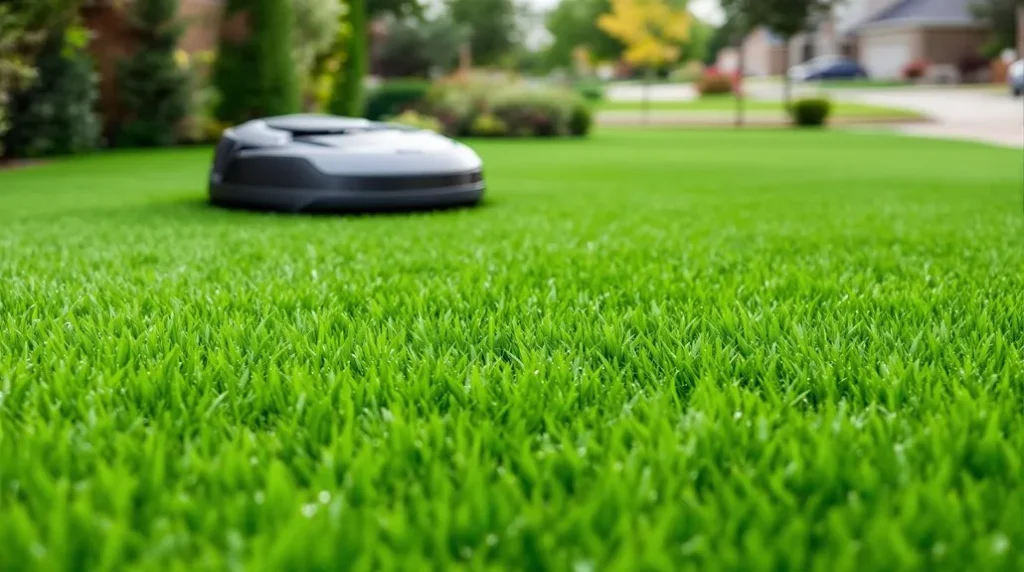
You’ll save 3-4 hours every weekend by eliminating mowing, watering, and fertilizing with artificial turf. This low-maintenance solution reduces your water bills by $200-600 annually while maintaining a pristine green appearance year-round, regardless of drought or weather conditions. Your initial investment pays for itself within 3-5 years through eliminated maintenance costs. Plus, you’ll enjoy a consistently clean, pet-friendly surface that won’t develop muddy patches or brown spots. Discover how this change can completely rethink your home’s outdoor space.
Key Takeaways
- Eliminates weekly mowing, fertilizing, and watering, reclaiming 3-4 hours every weekend for relaxation and family activities.
- Saves $200-1,000 annually on water bills while maintaining a perfect green appearance through droughts and seasonal changes.
- Provides consistent, weather-resistant lawn beauty year-round without brown patches, mud, or maintenance-related stress.
- Pays for itself within 5-8 years by eliminating ongoing costs for equipment, fertilizers, pest control, and water.
- Creates clean, durable surfaces perfect for pets and children with antimicrobial properties and efficient drainage systems.
Dramatic Time Savings: Reclaim Your Weekends From Lawn Care
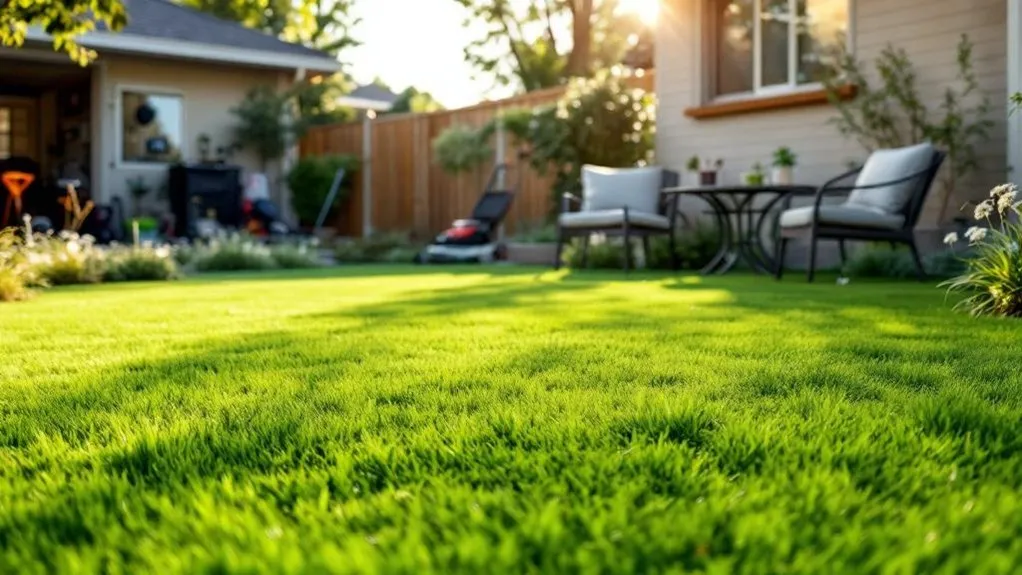
While your neighbors spend their Saturday mornings pushing mowers and wrestling with sprinkler systems, you’ll be sipping coffee on your pristine artificial lawn.
You’ll eliminate weekly mowing, seasonal fertilizing, and constant watering schedules that consume precious weekend hours.
No more rushing home to beat the rain or scheduling vacations around lawn care needs. Your artificial turf maintains its perfect appearance year-round without any intervention.
Those reclaimed hours add up quickly, imagine having an extra 3-4 hours every weekend for family activities, hobbies, or simply relaxing.
You’ll turn lawn maintenance from a demanding chore into complete freedom from outdoor obligations.
Water Conservation Benefits That Lower Your Monthly Bills
Beyond saving your weekends, artificial turf delivers substantial water savings that directly impact your monthly utility bills.
Traditional lawns consume thousands of gallons weekly through regular watering, especially during hot summer months when you’re fighting drought conditions and municipal water restrictions. You’ll eliminate this massive expense entirely with synthetic grass.
Most homeowners save $200-600 annually on water costs alone. In drought-prone regions such as California and Arizona, these savings often exceed $1,000 annually.
You’re also protected from rising water rates and seasonal surcharges. The initial turf investment typically pays for itself within 3-5 years through reduced utility expenses.
Consistent Year-Round Appearance Regardless of Weather Conditions
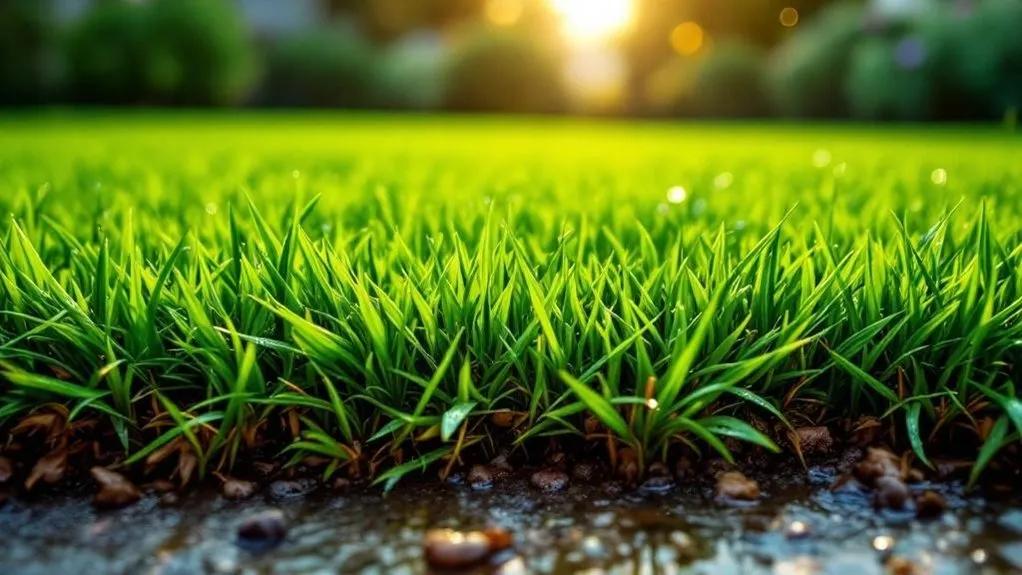
Artificial turf maintains its vibrant green color and perfect texture through every season, from scorching summers to freezing winters.
You’ll never worry about brown patches during droughts or muddy areas after heavy rains. While your neighbors’ lawns turn yellow in extreme heat or become patchy during cold snaps, your synthetic grass stays consistently beautiful.
Snow melts evenly without creating soggy spots, and you won’t deal with seasonal dormancy periods that leave natural grass looking lifeless.
Your curb appeal remains constant throughout the year, eliminating the stress of weather-related lawn damage and seasonal appearance fluctuations that plague traditional grass.
Long-Term Cost Analysis: Why Artificial Turf Pays for Itself
The impressive year-round aesthetics deliver significant financial benefits that extend well beyond the initial investment.
You’ll eliminate weekly mowing costs, fertilizer purchases, pest control treatments, and water bills that drain your budget annually. Most homeowners spend $500-1,200 yearly maintaining natural grass, while artificial turf requires minimal upkeep after installation.
Quality synthetic grass lasts 15-25 years with proper care, meaning you’ll recover your initial costs within 5-8 years. You’re also protecting yourself against drought restrictions, rising water costs, and equipment repairs.
The math clearly shows artificial turf turns from an expense into a profitable long-term investment.
Pet and Family-Friendly Features That Natural Grass Can't Match
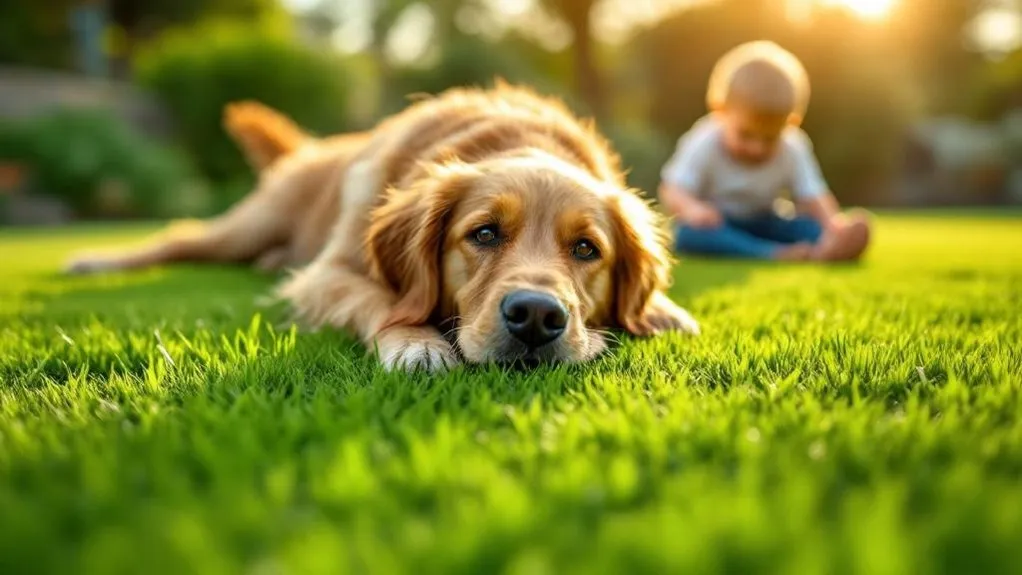
While natural grass creates muddy paws and stained clothing, artificial turf delivers a consistently clean surface that keeps your family and pets comfortable year-round.
You’ll eliminate grass stains from children’s clothes and reduce tracked-in dirt throughout your home. Your pets won’t dig holes or wear patches from running, keeping the lawn pristine.
The synthetic surface drains efficiently, preventing puddles that attract insects and create breeding grounds for bacteria. You won’t worry about fertilizers or pesticides harming curious children or pets.
Additionally, artificial turf’s antimicrobial properties resist odor-causing bacteria, making cleanup easier after your pets use the yard.
Installation Process and What to Expect From Professional Setup
Once you’ve decided on artificial turf, professional installation typically takes 2-3 days and follows a systematic process that turns your existing lawn into a maintenance-free surface.
First, contractors remove existing grass and debris, then grade and compact the soil for proper drainage. They’ll install a base layer of crushed rock or sand before laying the turf.
Here’s what you can expect during installation:
- Day 1: Ground preparation and base installation
- Day 2: Turf laying, cutting, and seaming
- Day 3: Infill application and final cleanup
You’ll have immediate access to your new lawn once it’s completed.
Frequently Asked Questions
How Hot Does Artificial Turf Get in Direct Summer Sunlight?
Artificial turf can reach temperatures of 120-180°F in direct summer sunlight, making it considerably hotter than natural grass.
You’ll notice it feels uncomfortably hot to walk barefoot during peak sun hours.
However, you can reduce heat by choosing lighter-colored turf, installing shade structures, or simply hosing it down.
The surface cools quickly when removed from direct sunlight or when water is applied.
Can Artificial Turf Be Recycled at the End of Its Lifespan?
Yes, you can recycle artificial turf at the end of its lifespan.
You’ll need to find specialized recycling facilities since most curbside programs don’t accept it. The turf’s separated into components: plastic fibers become new products, backing materials are processed differently, and infill’s cleaned for reuse.
You’ll want to contact manufacturers or local waste management companies to locate recycling centers. It’s becoming more accessible as environmental awareness grows.
What Happens to Artificial Turf During Heavy Rain or Flooding?
You’ll find that artificial turf handles heavy rain exceptionally well since it’s designed with efficient drainage systems.
Water quickly passes through the turf’s permeable backing into the base layer, preventing pooling and flooding.
During extreme weather, your synthetic lawn won’t become muddy or waterlogged like natural grass.
It’ll drain faster than most natural surfaces, and you won’t deal with soggy, damaged areas that require reseeding or repair afterward.
Does Artificial Turf Void Homeowners Insurance or HOA Agreements?
You won’t typically face homeowners’ insurance cancellation for installing artificial turf, as it’s considered a landscaping improvement.
However, you should notify your insurer, as it may affect your property’s value and coverage needs.
For HOA agreements, you’ll need to check your specific covenant restrictions, as some communities require approval for artificial turf installations or have aesthetic guidelines you must follow before making the switch.
How Do You Remove Stains or Odors From Artificial Turf?
You can easily remove stains by rinsing with water and using mild soap for stubborn spots.
For odors, especially pet-related ones, rinse thoroughly with water, then apply a solution of equal parts white vinegar and water. Let it sit briefly before rinsing again.
For persistent odors, use enzyme-based cleaners specifically designed for artificial turf.
Always avoid harsh chemicals that could damage the synthetic fibers.